
Shoulder Arthroscopy
Shoulder Arthroscopy in Palwal
Minimally Invasive Treatment for Shoulder Pain, Instability & Joint Injuries
Shoulder pain, weakness, stiffness, clicking, or repeated dislocation can interfere with work, exercise, sports, and everyday activities. When these symptoms are caused by a structural problem inside or around the shoulder that requires surgical treatment, shoulder arthroscopy may provide a minimally invasive approach to diagnosis and treatment.
Dr. Amit Kumar Sharma, Senior Consultant Orthopedic Surgeon at Apex Hospital, Palwal, Haryana, provides evaluation and arthroscopic treatment for selected shoulder conditions, including rotator cuff injuries, shoulder instability, labral injuries, and other problems affecting the shoulder joint.
Treatment is planned according to the diagnosis, severity of the injury, activity level, overall health, and individual recovery goals.
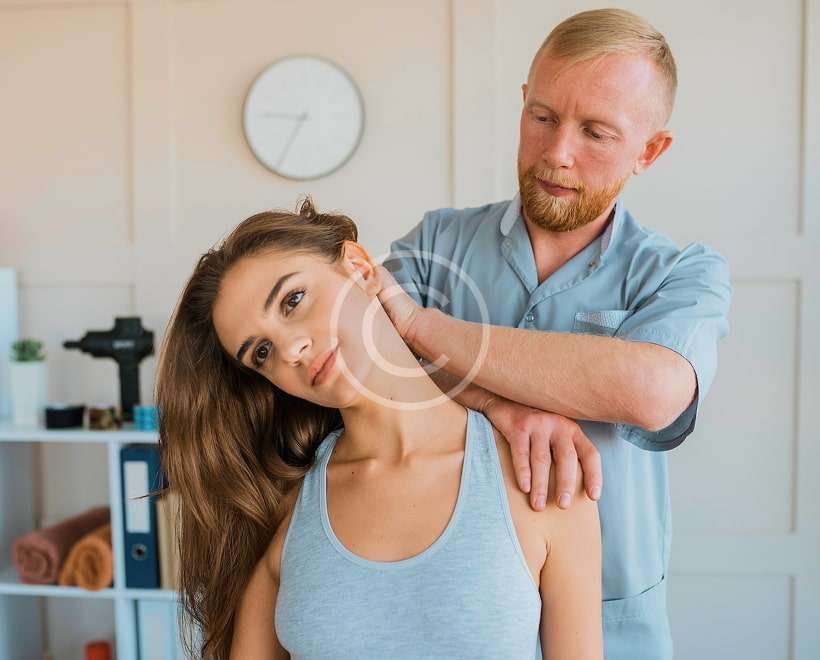
What is Shoulder Arthroscopy?
Shoulder arthroscopy is a minimally invasive surgical procedure used to examine and treat problems affecting the shoulder joint and surrounding soft tissues.
During the procedure, a small camera called an arthroscope is inserted through a small incision around the shoulder. The camera provides a magnified view of the joint on a monitor.
Depending on the condition, specialized instruments can be introduced through additional small incisions to perform the required treatment.
Shoulder arthroscopy may be used for selected problems involving:
- Rotator cuff
- Labrum
- Shoulder joint
- Ligaments
- Cartilage
- Inflamed or damaged tissue
- Other structures around the shoulder
The exact procedure depends on the underlying diagnosis and findings from clinical evaluation and appropriate imaging.
Understanding the Shoulder Joint
Why Shoulder Problems Can Affect Movement & Stability
The shoulder is one of the body’s most mobile joints. Its movement depends on the coordinated function of bones, muscles, tendons, ligaments, and cartilage.
Rotator Cuff
The rotator cuff is a group of four muscles and their tendons that help stabilize the shoulder and control movements such as lifting and rotating the arm.
Damage to the rotator cuff can cause pain, weakness, and difficulty raising the arm.
Labrum
The labrum is a ring of cartilage around the shoulder socket. It helps deepen the socket and contributes to shoulder stability.
A labral injury can be associated with pain, clicking, or recurrent instability and dislocation.
Shoulder Joint
The shoulder is a ball-and-socket joint formed by the head of the upper-arm bone and the socket of the shoulder blade.
Its wide range of movement also means that it depends heavily on surrounding soft tissues for stability.
Ligaments
Shoulder ligaments help stabilize the joint and control excessive movement.
Injury to these structures can contribute to shoulder instability.
When is Shoulder Arthroscopy Recommended?
Not every shoulder problem requires surgery.
- Physiotherapy
- Rotator cuff tears
- Activity modification
- Shoulder instability
- Medications
- Recurrent shoulder dislocation
- Strengthening exercises
- Selected labral injuries
- Movement and mobility exercises
- Certain cartilage injuries
- Other non-surgical treatments
- Persistent shoulder pain associated with a structural problem
- Selected sports-related shoulder injuries
- Certain conditions involving inflamed or damaged tissues
Shoulder Conditions Treated with Arthroscopy
Rotator Cuff Tears
The rotator cuff helps stabilize the shoulder and control arm movement.
A rotator cuff tear may occur following:
- A sudden injury
- A fall
- Sports-related trauma
- Repetitive overhead activity
- Gradual tendon degeneration
Symptoms may include:
- Shoulder pain
- Weakness
- Difficulty raising the arm
- Pain during overhead activities
- Night pain
- Reduced shoulder function
Not every rotator cuff tear requires surgery. Depending on the type of tear, symptoms, tendon quality, functional limitations, and response to non-surgical treatment, arthroscopic repair may be considered.
Shoulder Instability & Recurrent Dislocation
Shoulder instability occurs when the shoulder repeatedly feels as though it is slipping, giving way, or coming out of position.
A shoulder dislocation can damage structures that contribute to joint stability, including the labrum and ligaments.
Symptoms may include:
- Repeated dislocation
- Shoulder slipping or giving-way sensation
- Pain
- Apprehension during certain movements
- Reduced confidence using the shoulder
- Difficulty participating in sports or overhead activities
Selected cases of recurrent instability may be treated with arthroscopic stabilization or labral repair.
Labral Injuries
The labrum contributes to shoulder stability and helps support the shoulder socket.
Labral injuries can occur because of:
- Shoulder dislocation
- Sports injuries
- Falls
- Repetitive overhead activity
- Sudden traction or force applied to the shoulder
Different types of labral injuries can affect different areas of the shoulder.
Treatment depends on the location and type of tear, symptoms, shoulder stability, activity requirements, and associated injuries.
When appropriate, arthroscopic labral repair may be performed.
Cartilage Injuries
Damage to the cartilage within the shoulder joint may contribute to pain, stiffness, and restricted movement.
The significance of cartilage damage depends on its location, size, severity, and the overall condition of the joint.
Arthroscopy may allow direct assessment of the joint and selected treatment when clinically appropriate.
Sports-Related Shoulder Injuries
Athletes involved in throwing, swimming, racquet sports, contact sports, weight training, and other activities involving repetitive or forceful shoulder movement may develop shoulder injuries.
Depending on the diagnosis, treatment may involve:
- Physiotherapy
- Activity modification
- Strengthening
- Sports-specific rehabilitation
- Arthroscopic surgery when indicated
The aim is to address the underlying injury while supporting a safe return to activity.
How is Shoulder Arthroscopy Performed?
The exact surgical technique depends on the condition being treated.
01
Clinical Evaluation
Your symptoms, injury history, shoulder function, activity level, and previous treatment are assessed.
02
Imaging & Diagnosis
X-rays and, when indicated, MRI or other imaging may be used to assess the bones and soft tissues of the shoulder.
03
Anaesthesia
The appropriate form of anaesthesia is selected according to the planned procedure and individual medical requirements.
04
Arthroscope Insertion
A small incision is made and the arthroscope is introduced into the shoulder joint.
05
Joint Examination
The internal structures of the shoulder are visualized on a monitor to assess the extent and nature of the problem.
06
Arthroscopic Treatment
Specialized instruments are introduced through additional small incisions to perform the required procedure.
Depending on the diagnosis, treatment may include:
- Rotator cuff repair
- Labral repair
- Stabilization of the shoulder
- Treatment of selected damaged tissues
- Removal of loose material where appropriate
07
Post-Operative Rehabilitation
Recovery and physiotherapy are planned according to the specific procedure performed.
What are the Benefits of Shoulder Arthroscopy?
When appropriately indicated, shoulder arthroscopy provides the potential benefits associated with a minimally invasive surgical approach.
Potential benefits include:
- Small surgical incisions
- Less disruption to surrounding tissues
- Smaller scars
- Direct visualization of the shoulder joint
- Ability to assess and treat selected problems during the same procedure
- Controlled rehabilitation following surgery
However, shoulder arthroscopy does not automatically mean a short or simple recovery.
Recovery depends heavily on what is performed.
For example, rehabilitation following a relatively minor arthroscopic procedure can differ significantly from recovery after rotator cuff repair or labral stabilization.
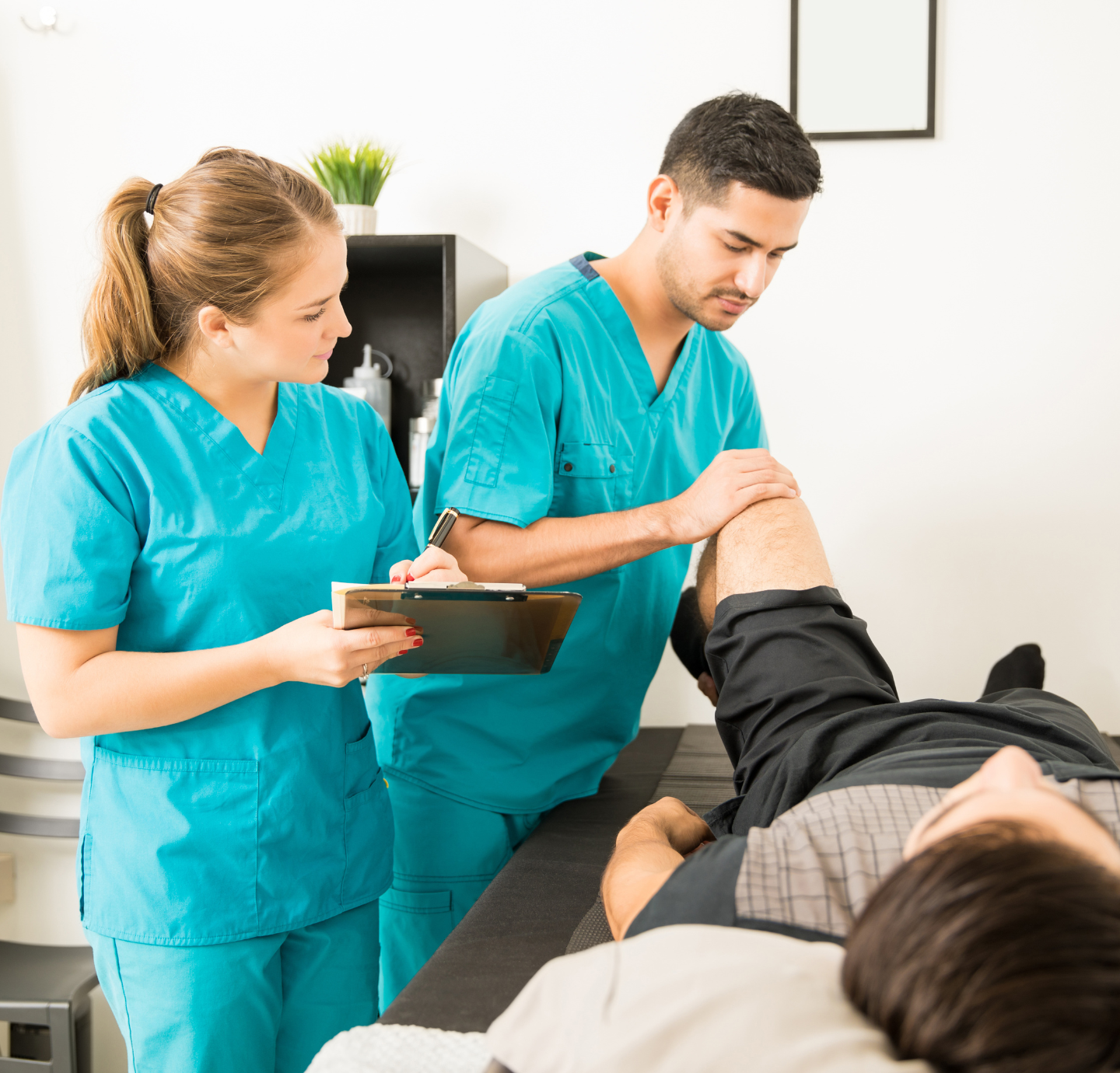
Recovery After Shoulder Arthroscopy
There is no single recovery timeline for all shoulder arthroscopy procedures.
Recovery depends on:
- The condition being treated
- The procedure performed
- Whether tissue was repaired or reconstructed
- Extent of the injury
- Overall health
- Shoulder mobility and strength
- Rehabilitation progress
Depending on the procedure, recovery may include:
- Pain and swelling management
- Temporary use of a sling
- Activity restrictions
- Controlled shoulder movement
- Range-of-motion exercises
- Physiotherapy
- Gradual strengthening
- Functional rehabilitation
- Progressive return to work, exercise, or sports
Your rehabilitation protocol should be based on the specific procedure performed.
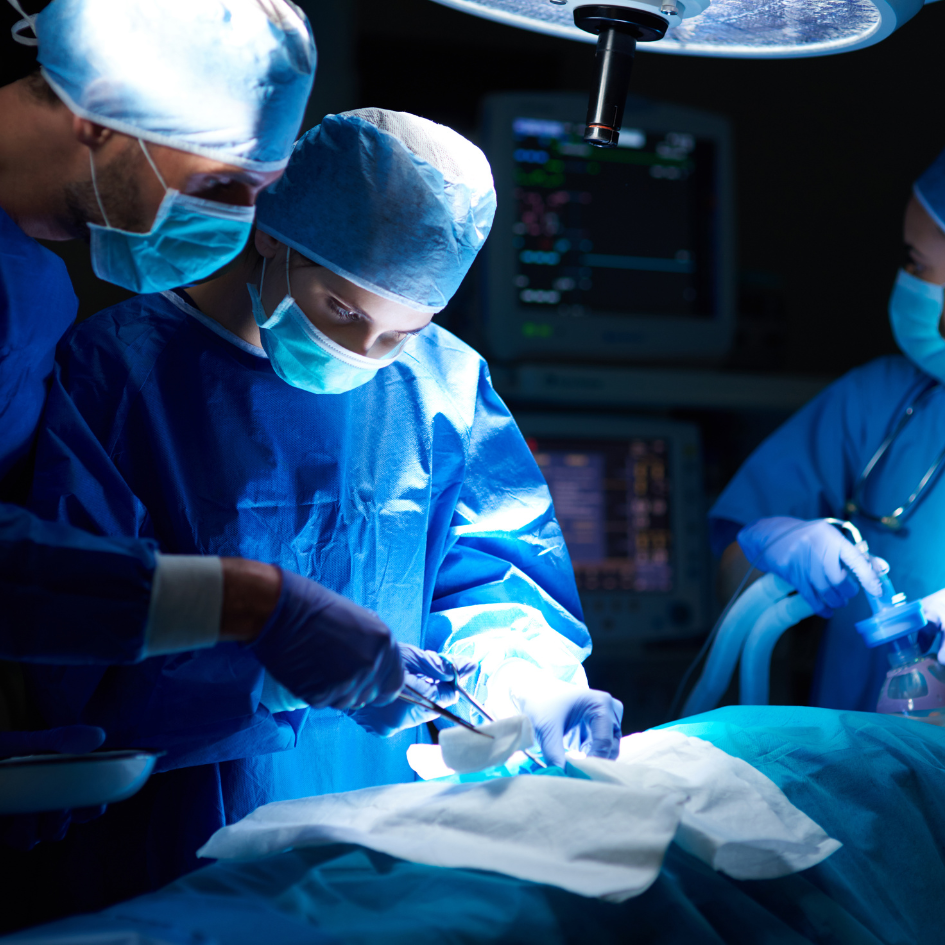
When Can You Return to Sports?
Returning to sports after shoulder arthroscopy depends on the procedure, the injury, the sport, and recovery progress.
Before returning to demanding activities, factors such as:
- Shoulder range of motion
- Muscle strength
- Joint stability
- Pain and swelling
- Tissue healing
- Shoulder control
- Sport-specific functional performance
- Confidence during movement
should be assessed.
The goal is not simply to return quickly, but to return safely with adequate strength, stability, and functional recovery.
Risks & Possible Complications
Shoulder arthroscopy is minimally invasive, but it is still a surgical procedure and carries potential risks.
Possible complications include:
- Infection
- Bleeding
- Blood clots
- Shoulder stiffness
- Persistent pain
- Nerve or blood-vessel injury
- Continued weakness or instability
- Failure of a repaired structure to heal
- Recurrent dislocation or instability
- Need for additional treatment
The risks vary according to the procedure and the patient’s individual health.
A detailed consultation helps you understand the potential benefits, limitations, expected recovery, and risks before surgery.
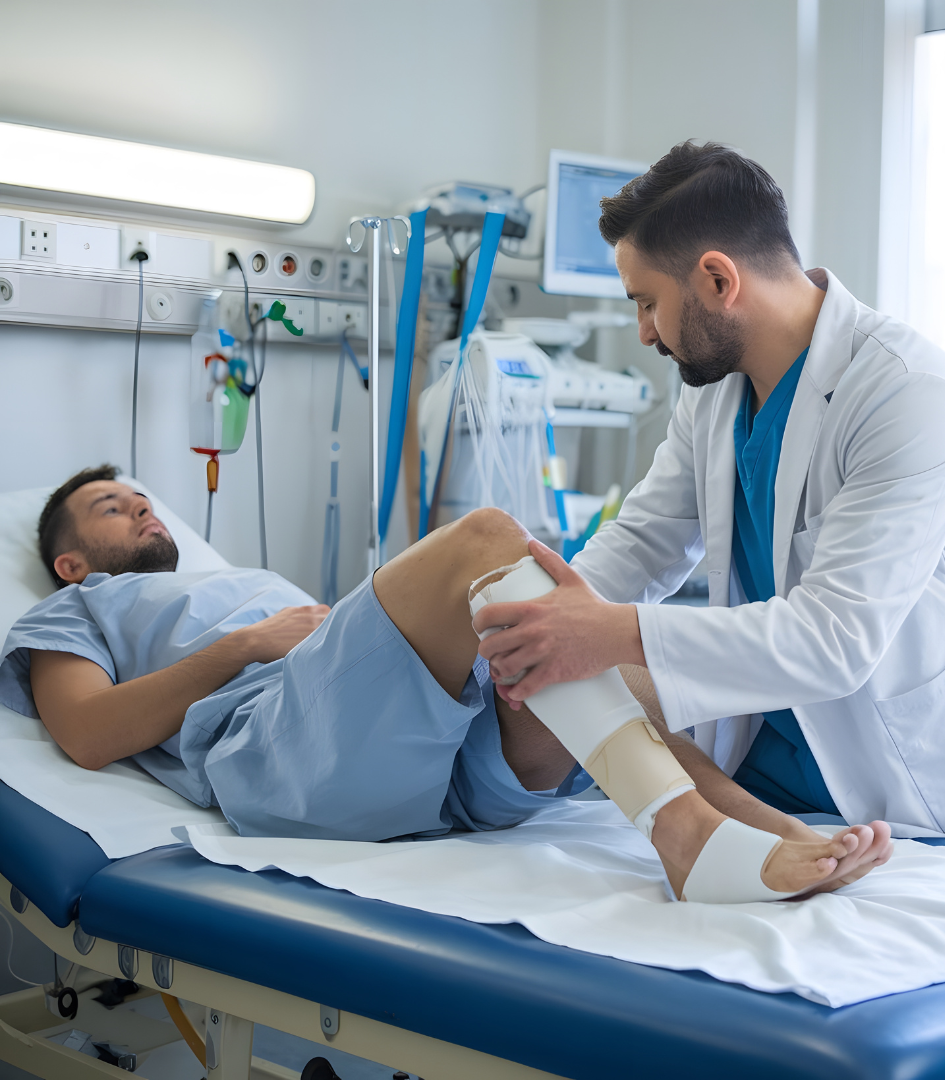
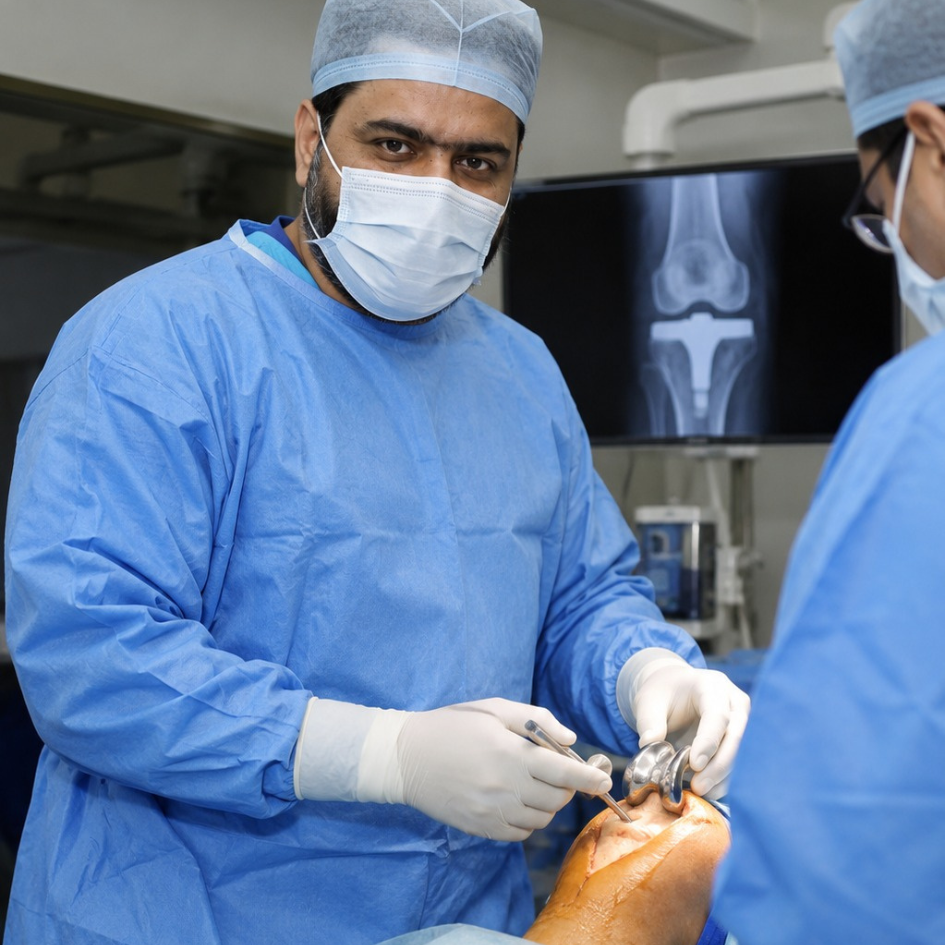
Arthroscopy vs Open Shoulder Surgery
Shoulder arthroscopy uses small incisions and a camera to access and visualize the joint rather than requiring a larger surgical opening.
For appropriate conditions, this minimally invasive approach may reduce disruption to surrounding tissues and scarring.
However, arthroscopy is not automatically the better option for every shoulder condition.
The appropriate surgical approach depends on:
- The diagnosis
- Location and severity of the injury
- Procedure required
- Bone and soft-tissue involvement
- Patient-specific factors
- Expected treatment outcome
The objective is to select the most appropriate treatment approach for the individual condition.
Why Choose Dr. Amit Kumar Sharma?
Accurate Diagnosis. Appropriate Treatment. Structured Recovery.
Shoulder pain can have many different causes.
A rotator cuff tear, labral injury, shoulder instability, cartilage problem, and degenerative condition can produce overlapping symptoms while requiring very different treatment approaches.
Dr. Amit Kumar Sharma, Senior Consultant Orthopedic Surgeon at Apex Hospital, Palwal, Haryana, provides individualized orthopaedic evaluation for patients with shoulder pain, sports-related injuries, instability, and other musculoskeletal conditions.
His approach focuses on:
- Detailed shoulder assessment
- Accurate diagnosis
- Appropriate imaging when required
- Assessment of shoulder stability and function
- Individualized treatment planning
- Arthroscopic techniques when clinically appropriate
- Preservation of healthy joint structures whenever possible
- Structured rehabilitation
- Safe progression back to daily activities and sports
The aim is to address the underlying problem while helping restore shoulder movement, stability, strength, and function.

Looking for guidance?
Common questions answered
Is shoulder arthroscopy a major surgery?
Shoulder arthroscopy is minimally invasive and uses small incisions. However, the complexity of the surgery depends on the condition being treated.
A relatively straightforward procedure may have a different recovery from rotator cuff repair or labral stabilization.
How long does shoulder arthroscopy take?
The duration depends on the specific procedure being performed.
A simple arthroscopic procedure may take less time than a complex repair or stabilization procedure.
Will I need a sling after shoulder arthroscopy?
A sling may be recommended after certain procedures, particularly when a repaired tendon or labrum needs protection during the initial healing period.
The duration of sling use depends on the procedure and the surgeon's rehabilitation protocol.
Is shoulder arthroscopy painful?
Some pain, swelling, and stiffness are expected after surgery.
These symptoms are generally managed through prescribed medication, appropriate activity modification, and a structured rehabilitation program.
How long does recovery take after shoulder arthroscopy?
Recovery varies considerably depending on the procedure.
Some arthroscopic procedures may allow an earlier return to routine activities, while rotator cuff repair and labral stabilization generally require a more structured rehabilitation period.
Does every rotator cuff tear require surgery?
No.
Some rotator cuff tears can be managed with physiotherapy, activity modification, medication, and other non-surgical measures.
Surgery may be considered based on symptoms, functional limitations, tear characteristics, tendon quality, activity requirements, and response to conservative treatment.
Does every labral tear require surgery?
No.
Treatment depends on the type and location of the labral injury, symptoms, shoulder stability, activity requirements, associated injuries, and response to non-surgical treatment.
Can a recurrent shoulder dislocation be treated with arthroscopy?
Selected cases of recurrent shoulder instability or dislocation can be treated with arthroscopic stabilization or labral repair.
However, the appropriate procedure depends on factors such as the labrum, ligaments, bone loss, direction of instability, and other structural abnormalities.
When can I exercise after shoulder arthroscopy?
The timeline depends on the procedure.
Controlled movement and rehabilitation exercises are generally introduced according to the surgical protocol, while strengthening, weight training, throwing, contact sports, and other demanding activities are progressed only when adequate healing, mobility, strength, and stability have been achieved.
Can shoulder arthroscopy treat frozen shoulder?
The initial treatment for frozen shoulder is generally non-surgical, including appropriate exercises and physiotherapy.
In selected patients who do not improve with conservative treatment, surgical procedures may sometimes be considered based on the individual diagnosis and clinical situation.
Is shoulder arthroscopy suitable for older adults?
Age alone does not determine whether shoulder arthroscopy is appropriate.
The underlying diagnosis, symptoms, functional limitations, overall health, tissue condition, and expected benefit from treatment are more important factors.
Related Conditions
- Rotator Cuff Tear
- Sports-Related Shoulder Injuries
- Labral Tear
- Shoulder Pain
- Shoulder Instability
- Shoulder Stiffness
- Recurrent Shoulder Dislocation
- Shoulder Cartilage Injuries
Related Arthroscopy & Sports Medicine Procedures
Rotator Cuff Repair
Arthroscopic repair of selected rotator cuff tears when surgery is clinically appropriate.
Labral Repair
Arthroscopic repair of selected labral injuries, particularly when associated with persistent symptoms or shoulder instability.
Knee Arthroscopy
Minimally invasive evaluation and treatment of selected conditions affecting the knee joint.
ACL Reconstruction
Surgical reconstruction for selected ACL injuries causing persistent instability or functional limitations.
PCL Reconstruction
Surgical reconstruction for selected PCL injuries associated with significant or persistent knee instability.
Get Your Knee Evaluated
Persistent knee pain, swelling, locking, or instability can have different underlying causes. An accurate diagnosis is the first step toward choosing the right treatment.
If your knee symptoms are affecting walking, exercise, work, or sports, consult an orthopaedic specialist to understand whether conservative treatment or arthroscopic surgery is appropriate for you.
Book an Appointment with Dr. Amit Kumar Sharma at Apex Hospital, Palwal, Haryana, for evaluation of knee injuries and arthroscopic treatment.
Dr. Amit Kumar Sharma
Senior Consultant Orthopedic Surgeon
Apex Hospital, Palwal, Haryana