
Knee Arthroscopy
Knee Arthroscopy in Palwal
Minimally Invasive Treatment for Knee Injuries & Joint Problems
Knee pain, swelling, locking, or instability can make walking, exercising, and everyday activities difficult. When these symptoms are caused by an internal knee problem that requires surgical treatment, knee arthroscopy may provide a minimally invasive way to diagnose and treat selected conditions.
Dr. Amit Kumar Sharma, Senior Consultant Orthopedic Surgeon at Apex Hospital, Palwal, Haryana, provides evaluation and arthroscopic treatment for selected knee conditions, including meniscus injuries, ligament injuries, cartilage problems, and other disorders affecting the knee joint.
Treatment is planned according to the diagnosis, extent of damage, activity level, overall health, and individual recovery goals.

What is Knee Arthroscopy?
Knee arthroscopy is a minimally invasive surgical procedure used to examine and treat problems inside the knee joint.
During the procedure, a small camera called an arthroscope is inserted through a small incision near the knee. The camera provides a magnified view of the structures inside the joint on a monitor.
Depending on the condition, specialized instruments can be introduced through additional small incisions to perform the required treatment.
Knee arthroscopy may be used for selected problems involving:
- Meniscus
- ACL and PCL
- Articular cartilage
- Loose bodies
- Inflamed or damaged joint tissue
- Other internal structures of the knee
The exact procedure depends on the diagnosis and findings from clinical evaluation and appropriate imaging.
Understanding the Knee Joint
Why Problems Inside the Knee Can Affect Movement
The knee is a complex joint that depends on bones, cartilage, ligaments, and menisci working together to provide stability and smooth movement.
Meniscus
The medial and lateral menisci are cartilage structures that help distribute load and absorb shock within the knee.
ACL
The anterior cruciate ligament helps control forward movement and rotational stability of the knee.
PCL
The posterior cruciate ligament helps prevent excessive backward movement of the shin bone and contributes to knee stability.
Articular Cartilage
This smooth cartilage covers the joint surfaces and allows the bones to move against each other with minimal friction. Damage to these structures can result in pain, swelling, instability, catching, or restricted movement.
When is Knee Arthroscopy Recommended?
Not every knee injury requires arthroscopic surgery.
- Physiotherapy
- Persistent knee pain following an injury
- Activity modification
- Meniscus tears
- Medications
- Selected ACL injuries
- Strengthening exercises
- Selected PCL injuries
- Weight management where appropriate
- Certain cartilage injuries
- Other non-surgical treatments
- Loose bodies within the joint
- Persistent locking or catching
- Persistent locking or catching
- Knee instability
- Selected sports-related knee injuries
Related Arthroscopy & Sports Medicine Procedures
Meniscus Tears
The meniscus helps cushion and stabilize the knee. A tear can occur because of a sudden twisting injury or gradual degenerative changes.
Symptoms may include:
- Knee pain
- Swelling
- Clicking
- Catching
- Locking
- Difficulty squatting or bending
Depending on the type, location, and extent of the tear, treatment may involve conservative management, meniscus repair, or another appropriate procedure.
Meniscus Root Tears
A meniscus root tear affects the attachment of the meniscus to the bone.
Because the root plays an important role in the meniscus’s ability to distribute load within the knee, these injuries require careful assessment.
When appropriate, meniscus root repair may be considered to restore meniscal function and help protect the knee joint.
ACL Injuries
The ACL is an important stabilizing ligament of the knee.
An ACL injury may occur during:
- Sudden changes in direction
- Pivoting
- Landing after a jump
- Sports activities
- Road or other traumatic injuries
Not every ACL tear requires surgery. Reconstruction may be considered when persistent instability, activity requirements, associated injuries, or the nature of the injury make surgical treatment appropriate.
PCL Injuries
PCL injuries can occur following significant trauma, including sports injuries and high-energy impacts.
Some PCL injuries can be managed without surgery. More significant injuries causing persistent instability, particularly selected high-grade or combined injuries, may require reconstruction.
Cartilage Injuries
Articular cartilage damage can cause pain, swelling, stiffness, and difficulty with movement.
Depending on the size, location, and severity of the cartilage injury, arthroscopy may be used to assess the joint and perform selected treatments.
Loose Bodies Inside the Knee
Fragments of cartilage or bone can sometimes become loose inside the joint.
They may cause:
- Sudden catching
- Locking
- Pain
- Restricted movement
When appropriate, these loose fragments can be removed arthroscopically.
How is Knee Arthroscopy Performed?
The exact surgical technique depends on the problem being treated.
01
Clinical Evaluation
Your symptoms, injury history, activity level, and knee function are assessed.
02
Imaging & Diagnosis
X-rays and, when indicated, MRI or other imaging may be used to understand the internal structures of the knee.
03
Anaesthesia
The appropriate form of anaesthesia is selected according to the planned procedure and individual medical requirements.
04
Arthroscope Insertion
A small incision is made and the arthroscope is introduced into the knee joint.
05
Joint Examination
The internal structures are visualized on a monitor to assess the extent and nature of the problem.
06
Arthroscopic Treatment
Specialized instruments are introduced through small incisions to perform the required procedure.
Depending on the diagnosis, treatment may include meniscus repair, ligament reconstruction, treatment of selected cartilage problems, or removal of loose material.
07
Post-Operative Rehabilitation
Recovery and physiotherapy are planned according to the specific procedure performed.
What are the Benefits of Knee Arthroscopy?
When appropriately indicated, knee arthroscopy can provide the advantages associated with minimally invasive surgery.
Potential benefits include:
- Small surgical incisions
- Less disruption to surrounding tissues
- Smaller scars
- Direct visualization of the knee joint
- Ability to diagnose and treat selected problems during the same procedure
- Earlier controlled movement in some procedures
However, arthroscopy does not mean every patient will have a short recovery.
The recovery period depends on what was performed. A patient undergoing treatment for a loose body may have a very different recovery from someone undergoing ACL reconstruction or meniscus root repair.
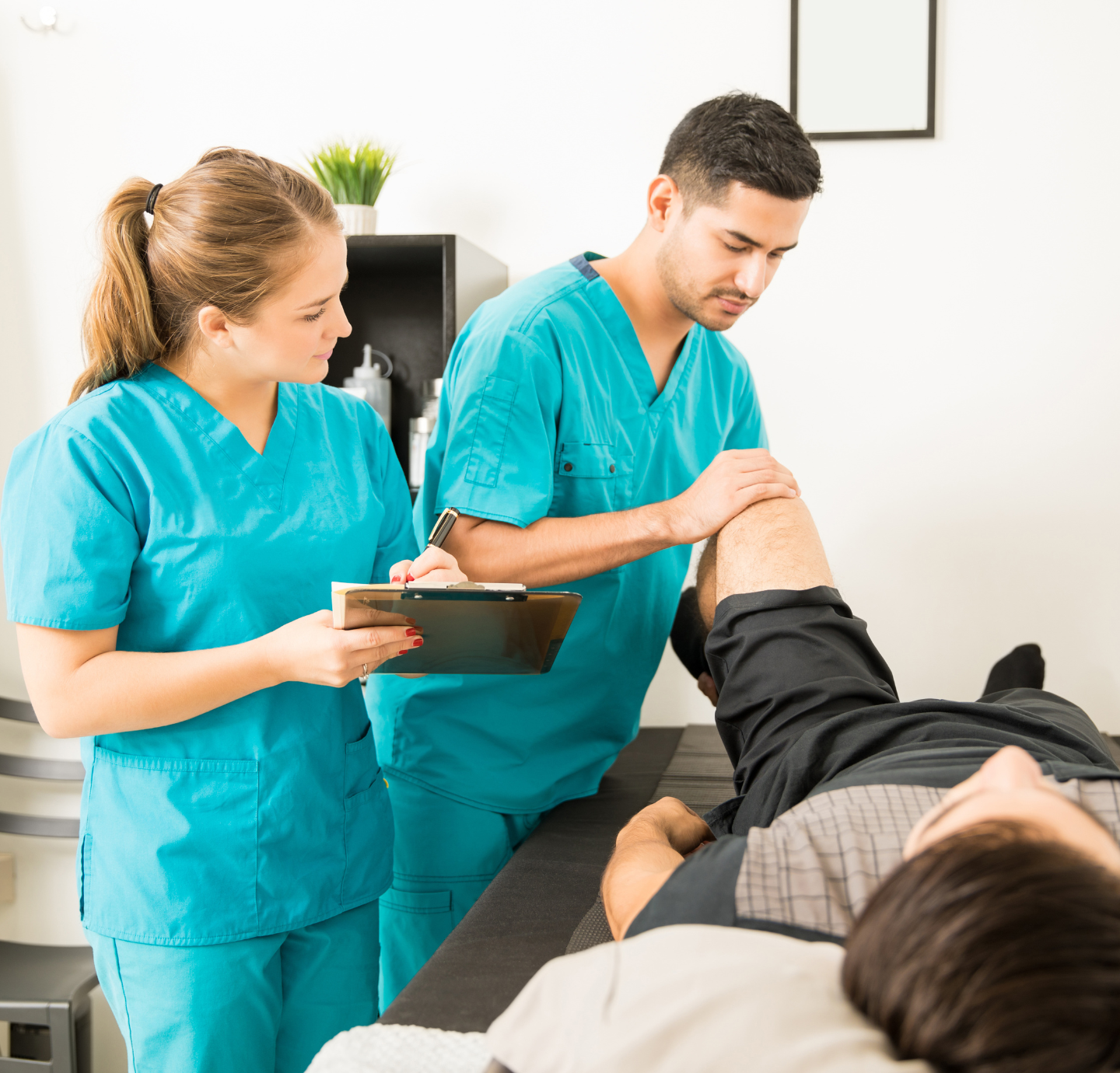
Recovery After Knee Arthroscopy
There is no single recovery timeline for knee arthroscopy.
Recovery depends on:
- The condition being treated
- The procedure performed
- Whether tissue was repaired or reconstructed
- Overall health
- Rehabilitation progress
Depending on the procedure, recovery may include:
- Pain and swelling management
- Temporary activity restrictions
- Weight-bearing instructions
- Range-of-motion exercises
- Physiotherapy
- Muscle strengthening
- Balance and stability exercises
- Gradual return to work, exercise, or sports
Your rehabilitation plan should be based on the procedure performed rather than a generic recovery timeline.
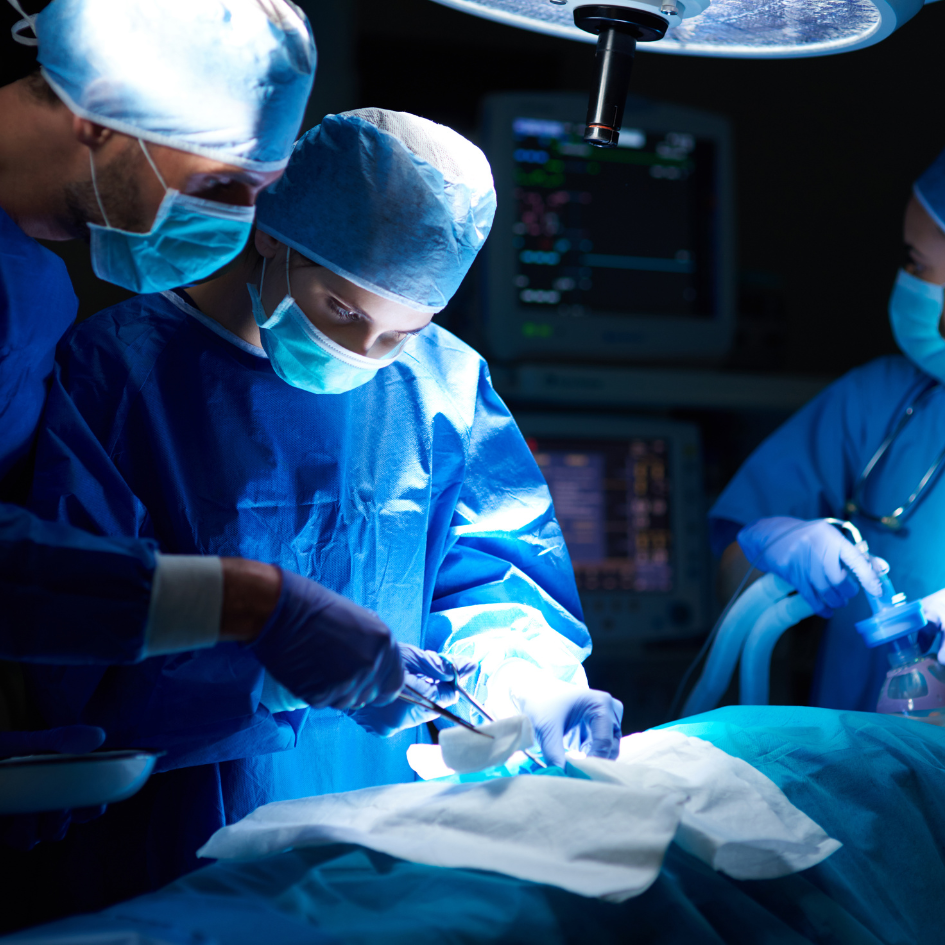
When Can You Return to Sports?
Returning to sport after knee arthroscopy depends on the type of procedure.
A patient undergoing a relatively minor arthroscopic procedure may return to activity sooner than someone undergoing ligament reconstruction or meniscus repair.
Before returning to demanding sports, factors such as:
- Knee range of motion
- Muscle strength
- Stability
- Coordination
- Pain and swelling
- Tissue healing
- Sport-specific functional performance
should be assessed.
The goal is not simply to return quickly, but to return safely while reducing the risk of further injury.
Risks & Possible Complications
Knee arthroscopy is minimally invasive, but it is still a surgical procedure and carries potential risks.
Possible complications include:
- Infection
- Bleeding
- Blood clots
- Knee stiffness
- Persistent pain or swelling
- Nerve or blood-vessel injury
- Continued symptoms
- Failure of a repaired structure to heal
- Need for additional treatment
The risks vary depending on the procedure and the patient’s individual health.
A detailed consultation allows you to understand the expected benefits, limitations, and potential risks before surgery.
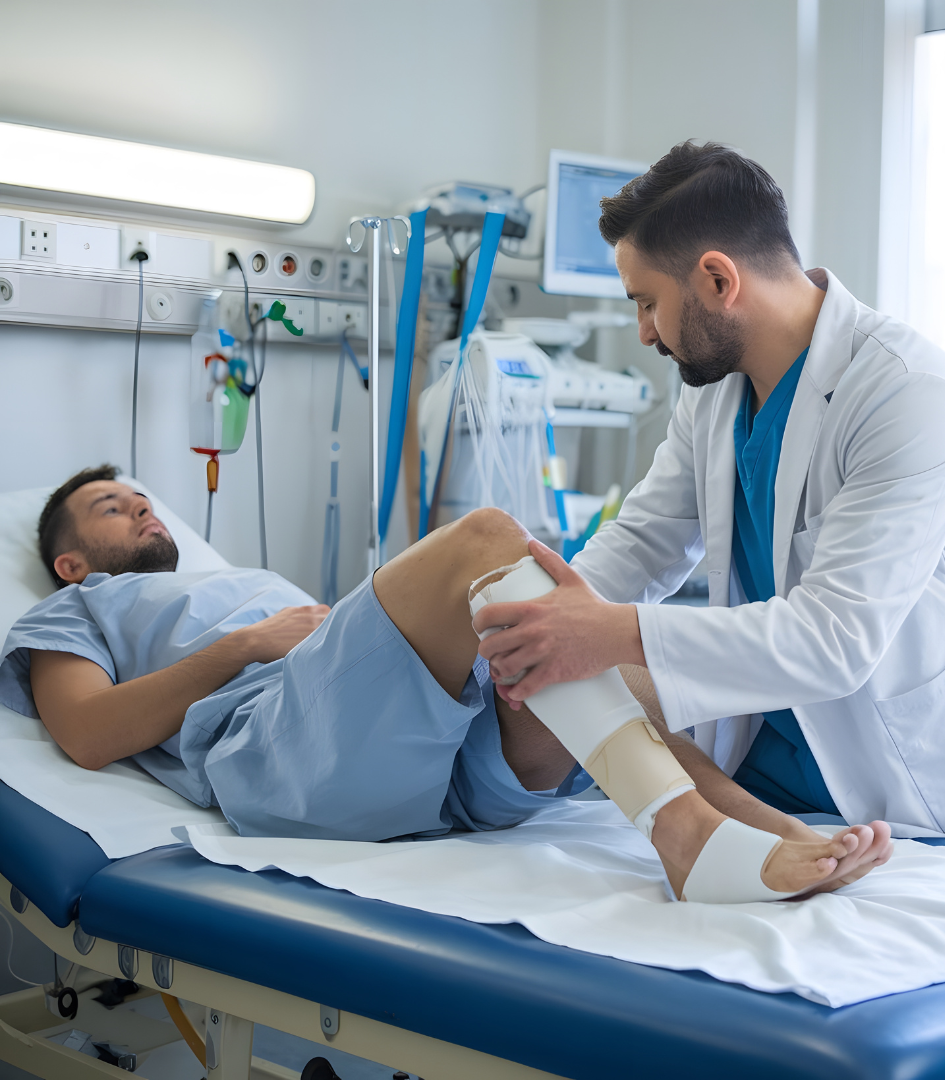
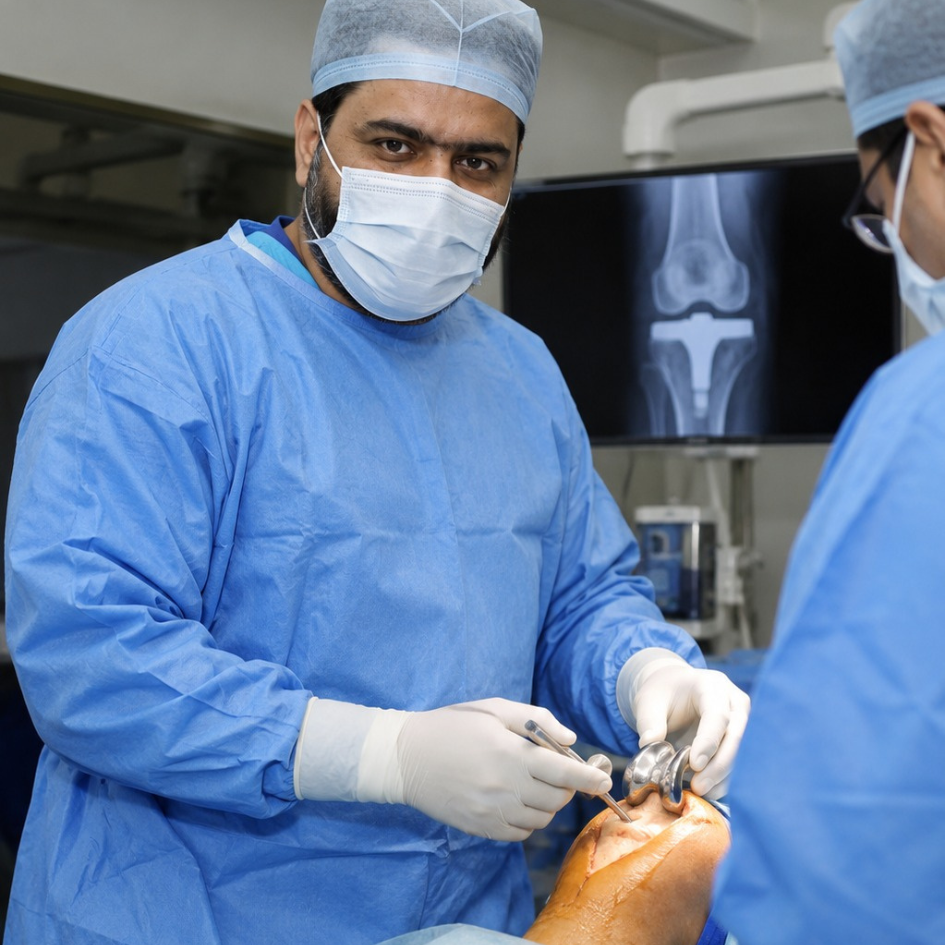
Arthroscopy vs Open Knee Surgery
Arthroscopy uses small incisions and a camera to access the joint rather than requiring a larger surgical opening.
For appropriate conditions, this minimally invasive approach may reduce disruption to surrounding tissues and scarring.
However, arthroscopy is not automatically the better option for every knee condition.
The surgical approach depends on:
- The diagnosis
- Location and severity of damage
- Procedure required
- Patient-specific factors
- Expected treatment outcome
The objective is to use the most appropriate technique for the condition—not simply the least invasive technique.
Why Choose Dr. Amit Kumar Sharma?
Accurate Diagnosis. Appropriate Treatment. Structured Recovery.
Knee pain can have multiple causes, and similar symptoms can result from very different injuries.
A meniscus tear, ACL injury, cartilage problem, and degenerative joint disease may all cause knee pain, but they require different treatment approaches.
Dr. Amit Kumar Sharma, Senior Consultant Orthopedic Surgeon at Apex Hospital, Palwal, Haryana, provides individualized orthopaedic evaluation for patients with knee injuries, sports-related conditions, and other musculoskeletal problems.
His approach focuses on:
- Detailed knee assessment
- Accurate diagnosis
- Appropriate imaging when required
- Individualized treatment planning
- Arthroscopic techniques when clinically appropriate
- Preservation of healthy joint structures whenever possible
- Structured rehabilitation
- Safe progression back to daily activities and sports
The aim is to address the underlying problem while helping restore knee function and stability.

Looking for guidance?
Common Questions Answered
Is knee arthroscopy a major surgery?
Knee arthroscopy is minimally invasive, using small incisions and specialized instruments. However, the complexity varies considerably depending on what is being treated.
ACL reconstruction and meniscus root repair, for example, require more extensive rehabilitation than some simpler arthroscopic procedures.
How long does knee arthroscopy take?
The duration depends on the procedure being performed. A relatively straightforward arthroscopic procedure may take less time than ligament reconstruction or a complex repair.
Can I walk immediately after knee arthroscopy?
It depends on the procedure.
Some patients can bear weight relatively early, while others may need temporary support or restricted weight-bearing after specific repairs or reconstructions.
Is knee arthroscopy painful?
Some pain and swelling are expected following surgery. These are generally managed with prescribed medication, appropriate activity modification, and rehabilitation.
How long does recovery take after knee arthroscopy?
Recovery varies significantly.
Some procedures allow a relatively quick return to routine activities, while ligament reconstruction and certain meniscus repairs require rehabilitation over several months.
Does every meniscus tear require surgery?
No.
Some meniscus tears can be managed without surgery. The decision depends on symptoms, tear characteristics, age, activity level, and response to conservative treatment.
Does every ACL tear require reconstruction?
No.
Treatment depends on knee stability, the nature of the injury, activity level, associated injuries, symptoms, and individual goals.
Can knee arthroscopy treat arthritis?
Arthroscopy is not a routine treatment for general knee arthritis.
Its role depends on the specific problem present inside the knee. Advanced arthritis may require a different treatment approach, including consideration of knee replacement in appropriately selected patients.
When can I return to exercise after knee arthroscopy?
The timeline depends on the procedure and rehabilitation progress.
Low-impact activity may resume earlier in some cases, while running, jumping, pivoting, and competitive sports require adequate strength, stability, healing, and functional recovery.
Is knee arthroscopy suitable for older adults?
Age alone does not determine whether arthroscopy is appropriate.
The underlying diagnosis, symptoms, overall health, and expected benefit from surgery are more important factors.
Related Conditions
- ACL Tear
- PCL Tear
- Meniscus Tear
- Meniscus Root Tears
- Cartilage Injury
- Knee Instability
- Sports-Related Knee Injuries
- Knee Locking and Catching
Get Your Knee Evaluated
Persistent knee pain, swelling, locking, or instability can have different underlying causes. An accurate diagnosis is the first step toward choosing the right treatment.
If your knee symptoms are affecting walking, exercise, work, or sports, consult an orthopaedic specialist to understand whether conservative treatment or arthroscopic surgery is appropriate for you.
Book an Appointment with Dr. Amit Kumar Sharma at Apex Hospital, Palwal, Haryana, for evaluation of knee injuries and arthroscopic treatment.
Dr. Amit Kumar Sharma
Senior Consultant Orthopedic Surgeon
Apex Hospital, Palwal, Haryana