
Unicondylar / Unicompartmental Knee Replacement (UKR)
Advanced Partial Knee Replacement for Faster Recovery and Natural Knee Movement
Unicondylar Knee Replacement, also known as Unicompartmental Knee Replacement (UKR) or Partial Knee Replacement, is an advanced orthopedic procedure designed for patients who have damage limited to only one compartment of the knee joint. Unlike Total Knee Replacement, where the entire knee joint is replaced, UKR replaces only the damaged portion while preserving the healthy parts of the knee.
For patients suffering from early to moderate knee arthritis, especially when damage is limited to one side of the knee, Unicompartmental Knee Replacement can provide effective pain relief, improved mobility, and a more natural feeling knee after surgery.
With advancements in implant technology and minimally invasive techniques, Unicondylar Knee Replacement surgery has become a preferred treatment option for suitable patients who want faster recovery and better knee function.

What is Unicondylar / Unicompartmental Knee Replacement (UKR)?
Unicondylar Knee Replacement (UKR) is a type of partial knee replacement surgery that treats arthritis or damage affecting only one compartment of the knee.
The knee joint has three compartments:
- Medial compartment – inner side of the knee
- Lateral compartment – outer side of the knee
- Patellofemoral compartment – area between kneecap and thigh bone
When arthritis affects only one compartment while the remaining cartilage, ligaments, and knee structures are healthy, a surgeon may recommend Unicompartmental Knee Replacement instead of Total Knee Replacement.
During the procedure, the damaged cartilage and bone are removed from the affected area and replaced with a metal and plastic implant. The healthy parts of the knee remain preserved, allowing more natural movement.
Who is a Good Candidate for Unicompartmental Knee Replacement?
Unicompartmental Knee Replacement surgery is suitable for selected patients after a detailed evaluation by an experienced orthopedic surgeon.
You may be considered for UKR if you have:
- Arthritis limited to only one compartment of the knee
- Persistent knee pain affecting daily activities
- Pain that does not improve with medicines, physiotherapy, or injections
- Good knee ligament stability
- Maintained knee movement and flexibility
- Minimal knee deformity
Patients with advanced arthritis affecting multiple compartments of the knee may require Total Knee Replacement instead.
A proper diagnosis through physical examination and imaging tests helps determine whether Partial Knee Replacement is the right treatment option.
Unicondylar Knee Replacement Procedure
The Unicondylar Knee Replacement procedure is performed using advanced surgical techniques to replace only the damaged part of the knee while preserving healthy tissues.
01
Pre-Surgical Assessment
Before surgery, the orthopedic specialist evaluates your knee condition through:
- Physical examination
- X-rays and imaging tests
- Assessment of ligament strength and knee alignment
This helps the surgeon decide whether UKR is appropriate for your condition.
02
Anesthesia
The procedure is performed under anesthesia to ensure patient comfort throughout the surgery.
03
Removal of Damaged Knee Area
The surgeon removes the damaged cartilage and affected bone from the worn-out compartment of the knee.
04
Implant Placement
A specially designed artificial implant is placed in the damaged area. The implant restores smooth movement between the thigh bone and shin bone while maintaining the natural structure of the knee.
05
Recovery and Rehabilitation
After surgery, a personalized physiotherapy program helps improve strength, flexibility, and walking ability.
Benefits of Unicompartmental Knee Replacement (UKR)
Choosing Unicompartmental Knee Replacement can provide several advantages for suitable patients.
Preserves Healthy Knee Structure
Unlike Total Knee Replacement, UKR replaces only the damaged compartment and preserves healthy bone, cartilage, and ligaments.
More Natural Knee Movement
Because most of the natural knee structure remains intact, many patients experience a more natural feeling knee after recovery.
Smaller Surgical Procedure
UKR generally involves a smaller incision and less tissue disruption compared to total knee replacement.
Faster Recovery
Many patients experience quicker rehabilitation and return to daily activities sooner compared to traditional knee replacement procedures.
Less Pain and Blood Loss
The minimally invasive nature of UKR may result in reduced post-operative discomfort and lower blood loss.
Improved Quality of Life
By reducing knee pain and improving mobility, UKR helps patients return to activities they enjoy.
Unicondylar Knee Replacement vs Total Knee Replacement
Many patients are confused between Partial Knee Replacement and Total Knee Replacement. The right option depends on the severity and location of knee damage.
| Unicondylar Knee Replacement (UKR) | Total Knee Replacement (TKR) |
|---|---|
| Replaces only one damaged knee compartment | Replaces the entire knee joint |
| Preserves healthy knee structures | Removes more damaged joint surfaces |
| Suitable for early or localized arthritis | Suitable for advanced arthritis |
| Usually offers faster recovery | Requires longer rehabilitation |
| Provides complete joint replacement | Excellent function |
An orthopedic specialist can recommend the best procedure based on your knee condition.
Risks and Possible Complications of UKR
Although Unicompartmental Knee Replacement is considered a safe and effective procedure, like any surgery, it may have certain risks.
Possible complications include:
- Infection after surgery
- Blood clot formation
- Knee stiffness
- Implant wear or loosening
- Progression of arthritis in other knee compartments
- Persistent pain in some cases
Choosing an experienced knee replacement surgeon and following post-operative care instructions can help minimize these risks.
Recovery After Unicompartmental Knee Replacement
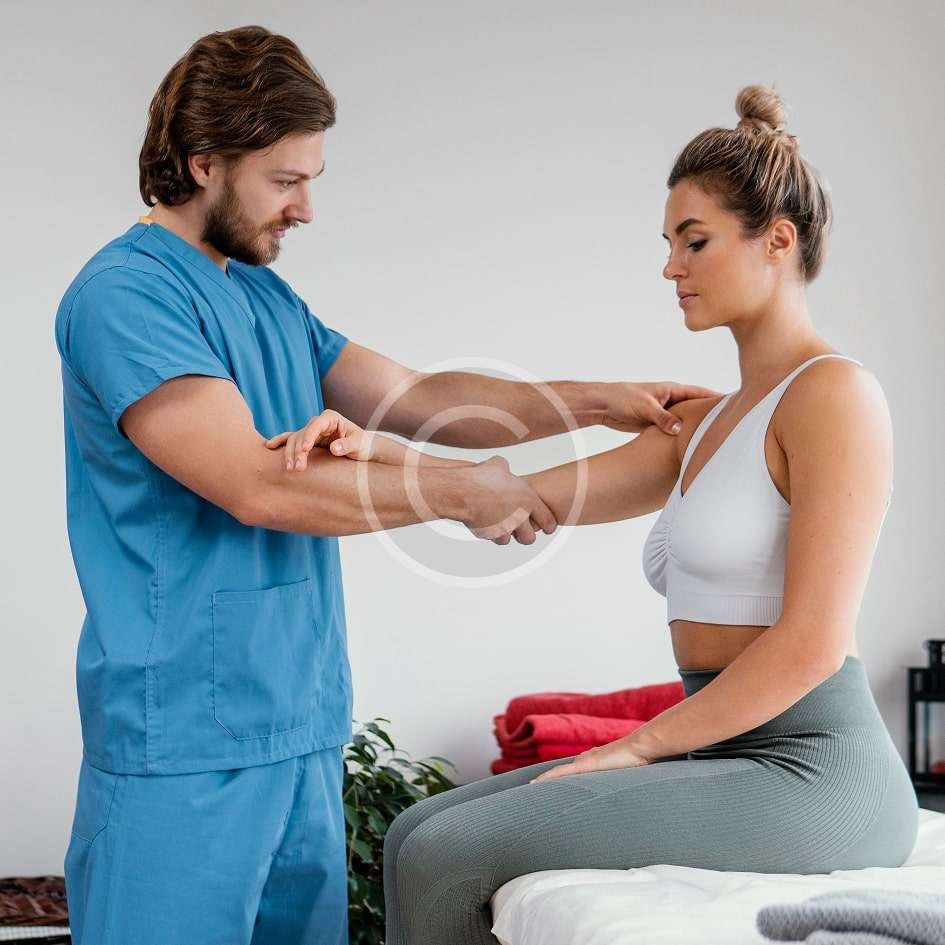
Recovery after UKR surgery is generally faster compared to total knee replacement because the procedure preserves more of the natural knee structure.
First Few Days After Surgery
Patients are encouraged to start walking with support and begin basic knee exercises.
First Few Weeks
Physiotherapy focuses on improving knee strength, flexibility, and confidence while walking.
First Few Months
Most patients gradually return to normal activities with improved mobility and reduced pain.
Long-Term Care
Maintaining a healthy weight, regular low-impact exercise, and follow-up appointments help maintain implant performance.
Why Choose an Experienced Surgeon for Unicondylar Knee Replacement?
The success of Unicondylar Knee Replacement surgery depends on accurate patient selection, surgical expertise, and proper implant positioning.
An experienced orthopedic surgeon evaluates:
- Severity and location of arthritis
- Knee ligament condition
- Bone quality
- Overall health and lifestyle goals
Advanced planning and personalized treatment approaches help achieve better outcomes and long-term knee function.
Looking for guidance?
Common questions answered
What is Unicondylar Knee Replacement?
Unicondylar Knee Replacement is a partial knee replacement procedure where only the damaged compartment of the knee is replaced while preserving healthy knee structures.
Who needs Unicompartmental Knee Replacement?
Patients with arthritis limited to one compartment of the knee and good ligament function may be suitable candidates for UKR.
Is UKR better than Total Knee Replacement?
UKR is not better for every patient. It is suitable for selected patients with localized knee damage, while Total Knee Replacement is preferred for advanced arthritis affecting the entire knee.
How long does Unicondylar Knee Replacement surgery take?
The procedure usually takes around 1–2 hours depending on the patient's condition.
How quickly can I walk after UKR surgery?
Many patients can begin walking with support soon after surgery under medical guidance and physiotherapy supervision.